
When the media gets science wrong: the deadly measles epidemic in Serbia
There is a resurgence of a once forgotten disease in the Balkans: measles. The first victim in Serbia is a 30-year-old Belgrade man who died
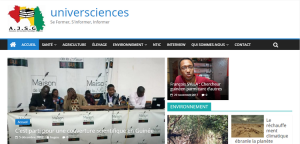
Guinean Association of Science Journalists Kicks-Off Activities on Science Journalism
Our Member Association, the Guinean Association of Science Journalists (AJSG) or l’Association des Journalistes Scientifiques de Guinée just recently launched a set of activities on
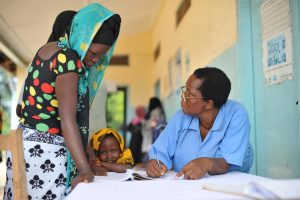
Avortements au Bénin: Les Ados, Proies des Cabinets de Soins Clandestins
A l’abri de toute réprimande, de nombreuses adolescentes se débarrassent de grossesses non désirées dans des cabinets de soins clandestins. Un phénomène assombri toutefois par
Québec graduate student shares her experience on attending WCSJ2017 in San Francisco
Ms. Karel Lopes, a graduate student from Québec, attended the recent 10th World Conference of Science Journalists (WCSJ2017) in San Francisco thanks to the financial support of
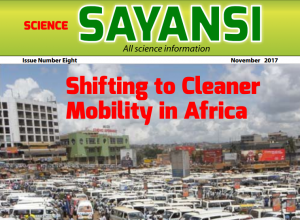
Now Out! November Edition of SAYANSI Magazine (By MESHA)
The eighth issue of SAYANSI magazine edited by our Member Association the Media for Environment, Science, Health and Agriculture (MESHA) from Nairobi, Kenya. You can read it online here: Sayansi
The Health Toolbox is a Stark Reminder of My Woes as a Freelancer Back in Time
I have been sitting at my desk here at MESHA and thinking about an incident in 1997 between me and a scientist.
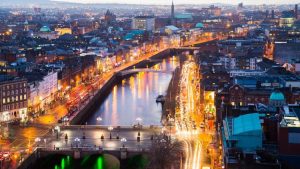
SCI:COM Ireland 2017 Media Event in Dublin: The Role of Media in Fostering Collaborative and Participatory Dialogue With Science
Please join us for a panel discussion on the future of science journalism and its role in creating an open and participatory society, co-organised by
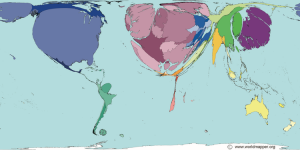
Between Inequality and Discrimination: Is There Something Wrong With Northern Science?
Racism is back in town. Does science contribute to it? Or can it dissolve it?
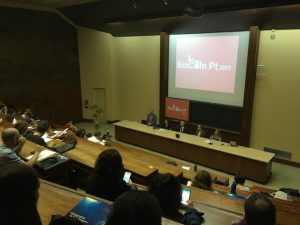
Who’s Afraid of Science Journalists? Portugal’s Scientists Step Into Journalists’ Shoes
The “Who’s afraid of journalists?” session at SciComPT2017 meeting, in Portugal, explored the tricky relationship between journalists, scientists and press officers by having them role-play